

How to find a personal trainer who truly fits your body.
The right personal trainer doesn’t just help you work harder; they help you train smarter. Instead of frustration, slow progress, or guessing your way through workouts, you get steady gains, smarter programming, and results that last. With countless trainers out there, this guide walks you through how to evaluate your options and choose a trainer who truly fits your body, your goals, and your lifestyle.
Published: January 5, 2026 / Last Updated: June 26, 2026
TL;DR:
In choosing a personal trainer, know your goals first, since different trainers specialize in different outcomes. Use platforms like Google, boutique studio websites, and social media to create a shortlist, but do not rely on listings alone. Prioritize trainers with legit certifications, relevant experience, a structured assessment process, and personalized programming. Ask clear questions about how they assess, plan, progress, and communicate. Compare a few trainers, watch for red flags like no assessments or one-size-fits-all workouts, and choose the coach who prioritizes safety, personalization, and long-term results.
1. Clarify Your Goals First
Before you even start searching “find a personal trainer near me,” ask yourself: What am I trying to achieve?
Your personalized fitness & wellness goals may require different expertise:
-
Look for trainers with advanced knowledge in structured strength programs, periodization and proper progressions to stimulate muscle growth.
-
Seek trainers with corrective exercise or rehab-aware backgrounds, who include a comprehensive mobility and movement assessment in your first session.
-
Choose trainers who are weight loss coaches that combine nutrition, holistic habits, strength training and cardiovascular conditioning in their programming.
-
Prioritize trainers who have knowledge of advanced assessments (ie. muscle and neurological testing, manual therapy) and focus on safety and gradual progression.
-
Look for trainers familiar with your sport who combine comprehensive athletic assessments with peak-season planning and recovery strategies, to ensure that you're always peaking when it counts.
Defining your goal upfront helps you narrow your search and quickly identify fitness coaches near you who are more likely to deliver the results you want.
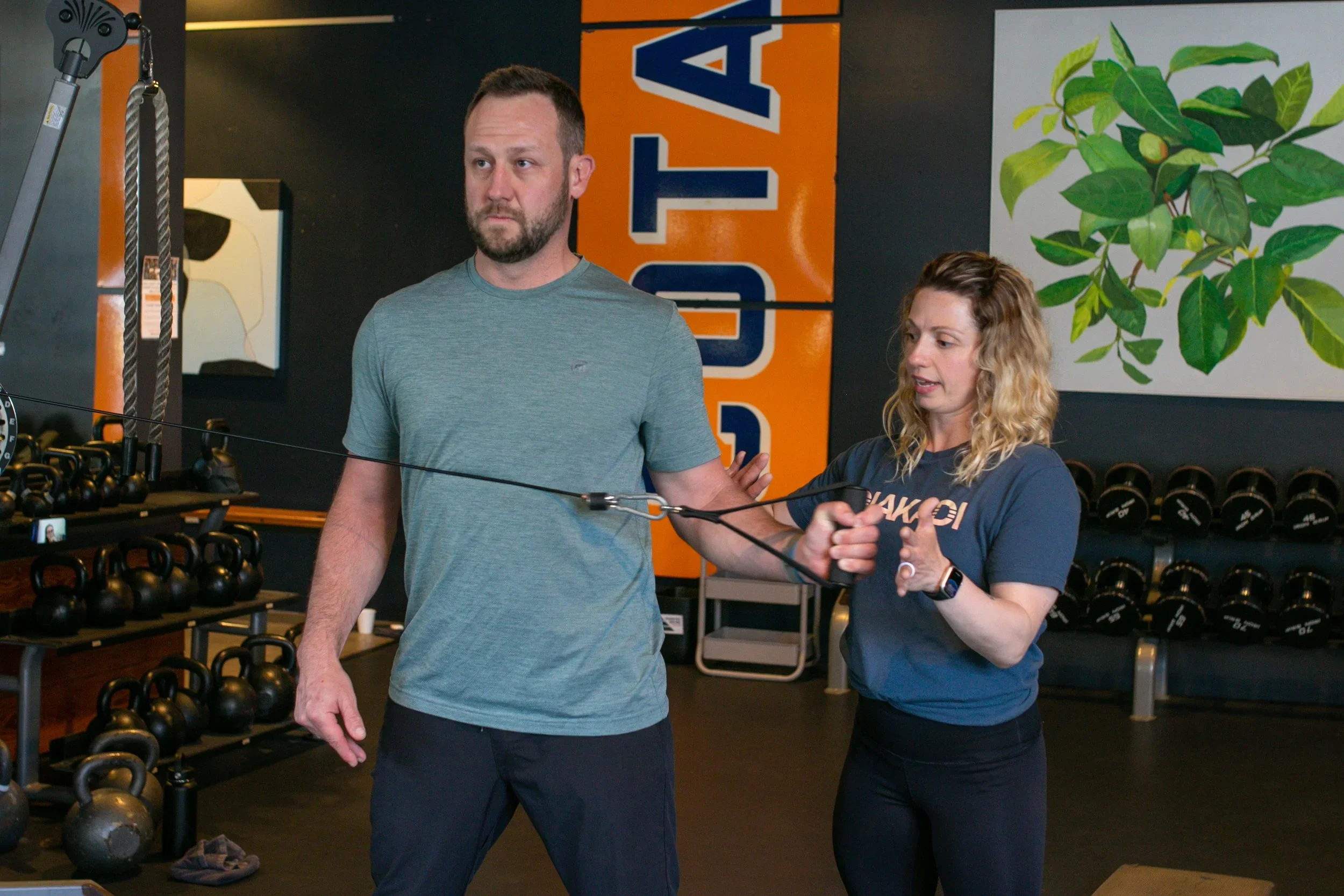
2. Where to Look for Personal Trainers Near You
Most people searching for personal training in San Francisco start with a mix of online platforms and local resources.
Many big box gyms tend to hire entry level trainers. In order to find advanced trainers to best meet your needs, here are the common places to look:
● Google or Maps searches such as “best personal trainer San Francisco”
● Local review platforms like Yelp
● ChatGPT and AI focused search engines for more detailed suggestions
● Boutique, personal-training-focused, studio websites
● Social media, where many trainers share their philosophy and training style
● Word of mouth or personal referrals
These tools are helpful for discovery, but they should be treated as a starting point, not the final decision.

3. What Qualifications and Experience Actually Matter
When vetting a performance coach you find locally, be a tough interviewer and focus on the factors that truly impact your safety and long-term results:
● NCCA-accredited certifications from respected, national organizations rooted in exercise science
● Relevant specialization and advanced continuing education, such as corrective exercise, mobility work, rehab-informed training, manual therapy or strength programming
● Experience working with clients similar to you, which often matters more than years in the industry alone
● A structured assessment process, where posture, movement patterns, flexibility, and joint range are evaluated before programming
● Organized programming and progress tracking, rather than random or improvised workouts
A trainer who assesses first and individualizes programming is far more likely to deliver sustainable results.
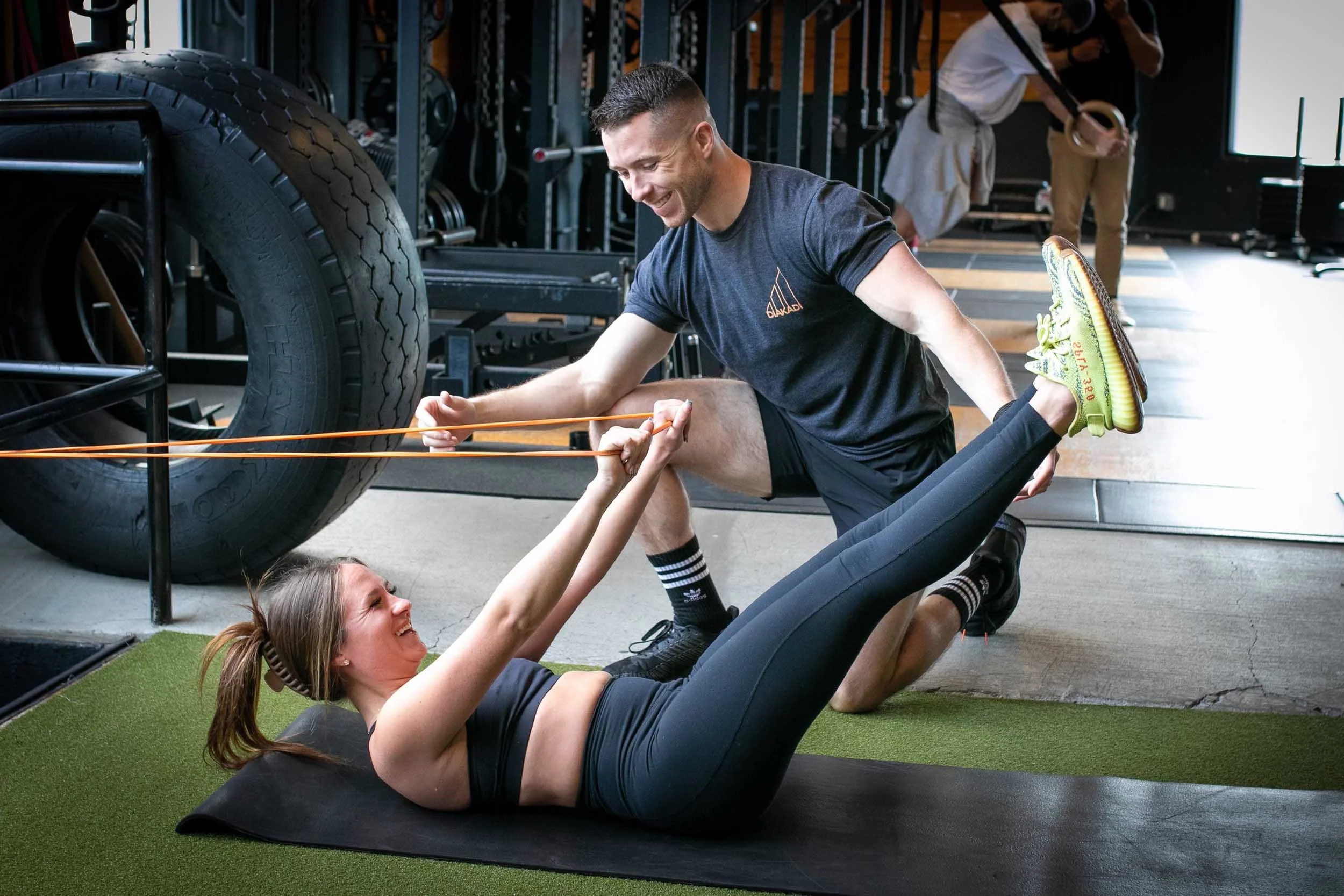
4. How to Evaluate Trainers and Ask the Right Questions
Once you’ve identified a few fitness trainers near you, take time to evaluate how they work and communicate. Ask the tough questions and force them to convince you that they are the ideal match for your needs.
When reviewing potential trainers, assess them by:
● Checking credentials, specializations, and experience
● Reading how they describe their training philosophy
● Looking for evidence of advanced assessments and personalized programming
● Noticing whether they emphasize listening, communication, and adaptability
● Looking for testimonials and client results that match your goals
● Considering whether their personality and coaching style feel like a good fit
Key questions to ask before hiring a trainer:
● What certifications and educational background do you have?
● Do you have experience working with clients whose goals match mine?
● What does your initial assessment process look like?
● How will my training plan be structured and adjusted over time?
● How do you track progress and communicate between sessions?
● How do you handle pain, injuries, or movement limitations?
● What kinds of results can I realistically expect, and on what timeline?
● What is your cancellation and scheduling policy?
Clear, confident answers are a strong indicator of professionalism.
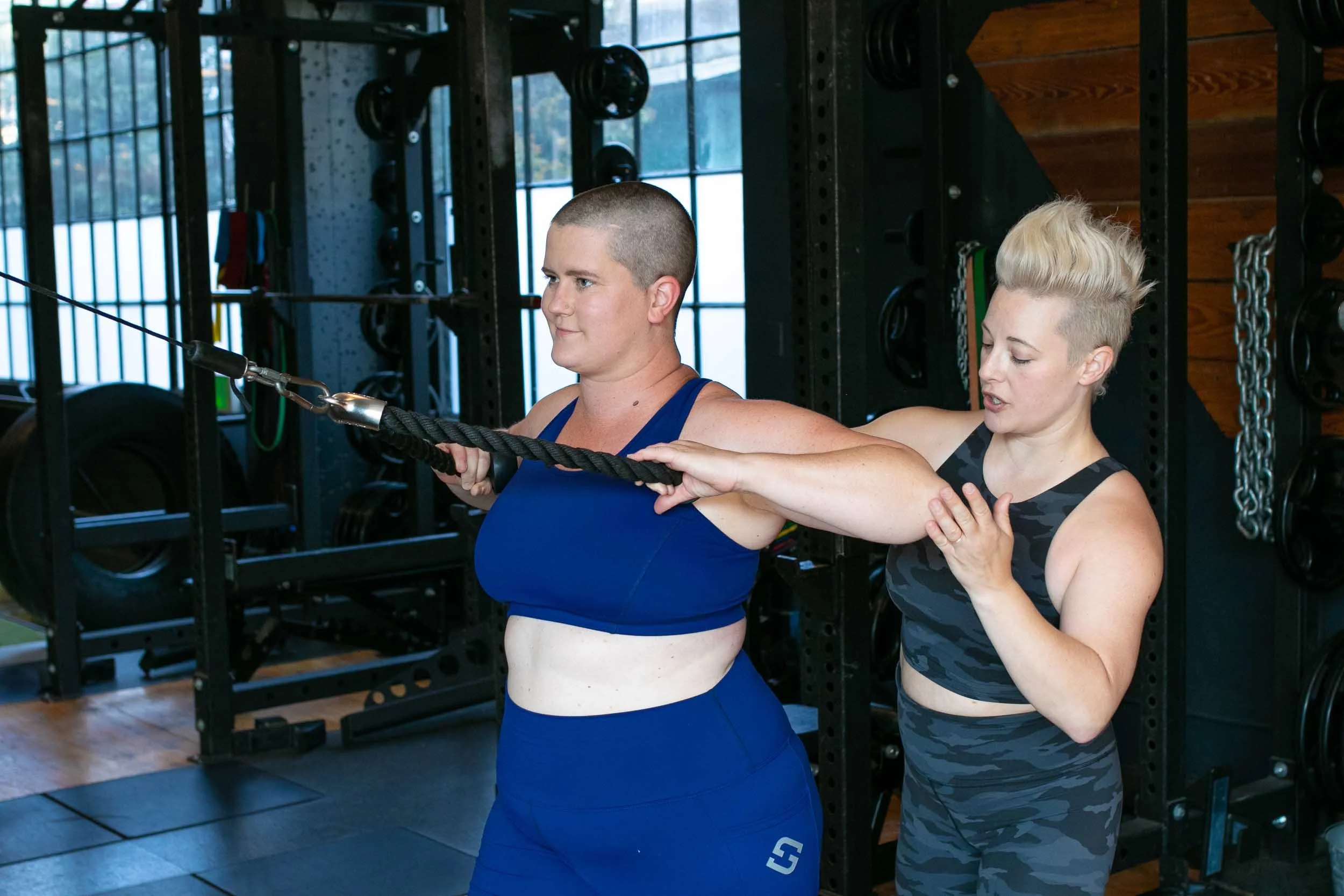
5. Compare Trainers, Watch for Red Flags, and Choose Wisely
When searching for personal trainers in SF, it’s smart to compare at least two or three trainers before deciding.
Be cautious if a trainer:
● Does not assess your movement, posture, or history before creating a plan
● Uses the same program for every client
● Cannot clearly explain why they choose certain exercises or progressions
● Focuses more on intensity, popularity, or quick results than safety and long-term health
● Avoids discussing how progress will be tracked or adjusted
Training costs vary widely, and price should reflect value rather than convenience alone. A higher-quality trainer who listens, assesses, plans, and adapts can save you time, reduce injury risk, and support long-term success.
Conclusion
Choosing the right personal trainer near you does not have to be overwhelming. By clarifying your goals, understanding which qualifications matter, doing thorough local research, asking smart questions, and comparing trainers thoughtfully, you can confidently choose a trainer who supports your health journey.
With the right trainer, workouts become more than just exercise. They become a path toward lasting strength, mobility, confidence, and overall well-being.

Author: Billy Polson
Billy Polson, CSCS, is an advanced-level personal trainer with 28 years of experience and the founder and owner of DIAKADI Fitness, a San Francisco personal training facility he has led for more than 22 years. He has been recognized as one of the Top 100 Trainers in America and one of San Francisco’s Top 10 Trainers, and he has helped clients of all ages, fitness levels, and goals build safer, smarter, and more effective training programs.
Through DIAKADI Fitness and his coaching work with The Business Movement, Billy has evaluated, mentored, and worked alongside personal trainers for decades, giving him direct experience in what separates a qualified, client-focused trainer from an average one.