
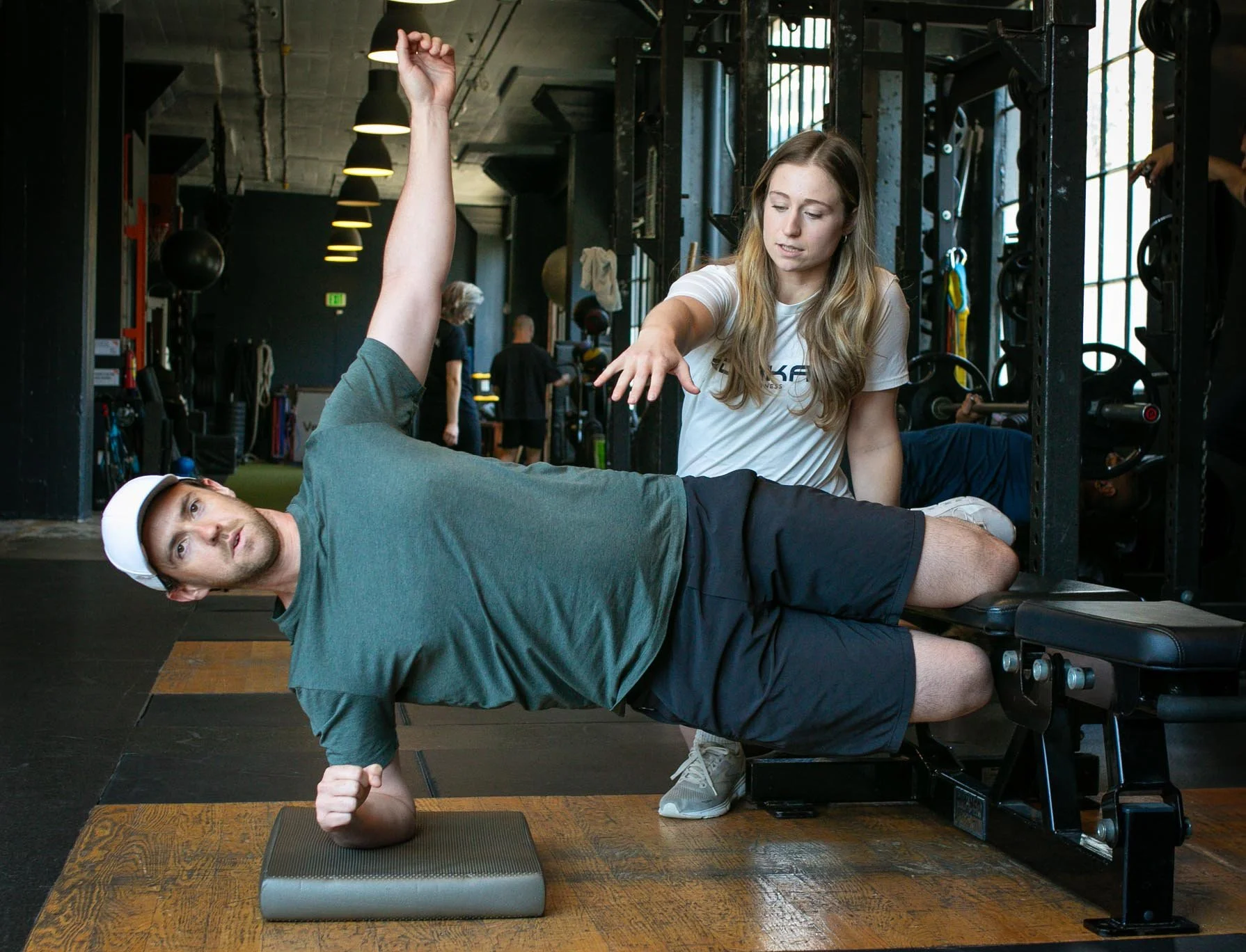
San Francisco’s fitness market is divided by neighborhood, modality, and training specialization
Finding a personal trainer in San Francisco is easy. Finding a trainer who is actually qualified for your body, your goals, and your training history is much more difficult. This means that where you live, where you work, and what you need all influence who should train you and where.
This guide explains how to evaluate trainers intelligently, how to match the right type of coach to your goals, how pricing works in the SF market, how training ecosystems vary by neighborhood, and why the SOMA / Mission Corridor has become one of the strongest pockets in the city for performance-focused, assessment-based personal training.
Published: April 23, 2026 / Last Updated: June 26, 2026
TL;DR:
San Francisco’s personal training market is unique. It is specialized, neighborhood-driven, and heavily segmented by outcome. Performance training is concentrated in the SOMA / Mission Corridor, Mission Bay, Dogpatch, and the Mission District, while Pilates and boutique fitness cluster in Castro, Upper Market, and Hayes Valley. For clients with pain history, strength goals, or athletic ambitions, assessment-based training in an integrated facility typically produces the best long-term results.
Start With Your Goal, Not the Trainer
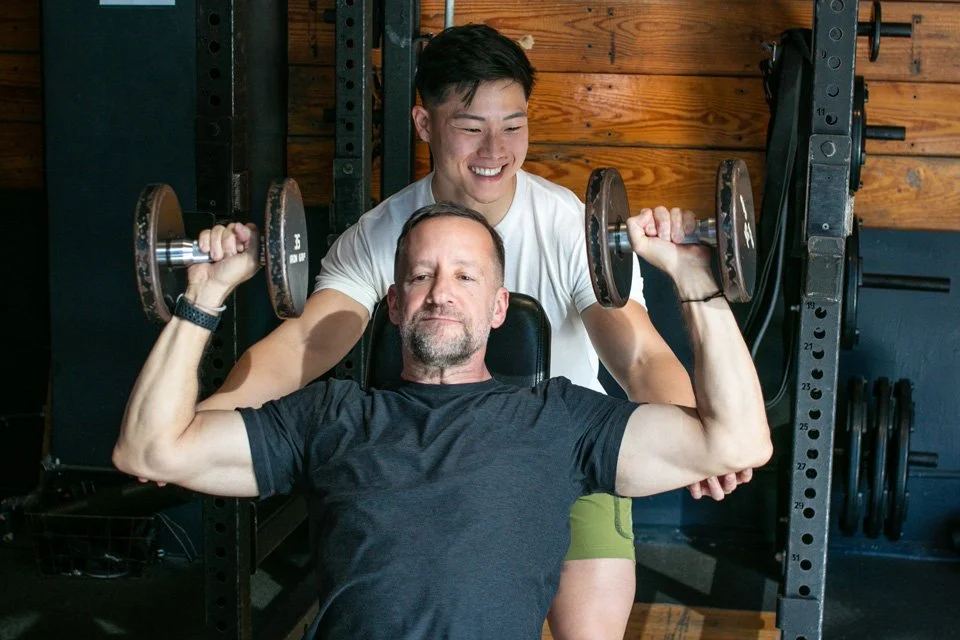
Before comparing facilities or messaging trainers, identify the actual outcome you are buying.
Different goals require different coaching skill sets:
● Fat loss / general fitness → Generalist Trainer
● Strength / muscle / body composition → Strength Coach
● Pain / injury / chronic limitations → Corrective Specialist or PT-Integrated Coach
● Sports performance → Athletic Performance / CSCS Coach
● Mobility / movement quality → Mobility Specialist (FRC, DNS, PRI)
● Postpartum → Postpartum / Pelvic Floor Specialist
● Aging + longevity → Functional Aging Specialist
● Combat → Fight Performance Coach
Matching the wrong trainer to the wrong problem is the most common reason people waste time, plateau, or get injured.
What “Qualified” Means in San Francisco
A qualified personal trainer in the SF market generally demonstrates:
Accredited education: NSCA-CPT/CSCS, NASM-CPT/CES, ACSM, ACE
Specialty systems: PRI, DNS, FRC/Kinstretch, EXOS, RTS, SFG, RKC, PDTR, Precision Nutrition or similar.
Assessment before programming: Comprehensive movement screening, posture analysis, joint ROM, gait, pain/injury history, performance baselines, DEXA scan, VO2 Max Testing, VALD assessment.
Programming: Individualized, strategic progression and periodization, consistent reassessment, data tracking, recovery, holistic habits (nutrition, sleep, stress reduction, etc).
Communication: Coaching beyond the session itself.
Red flag: Trainers who begin with workouts without assessing movement first.
San Francisco Is Not a Single Training Market
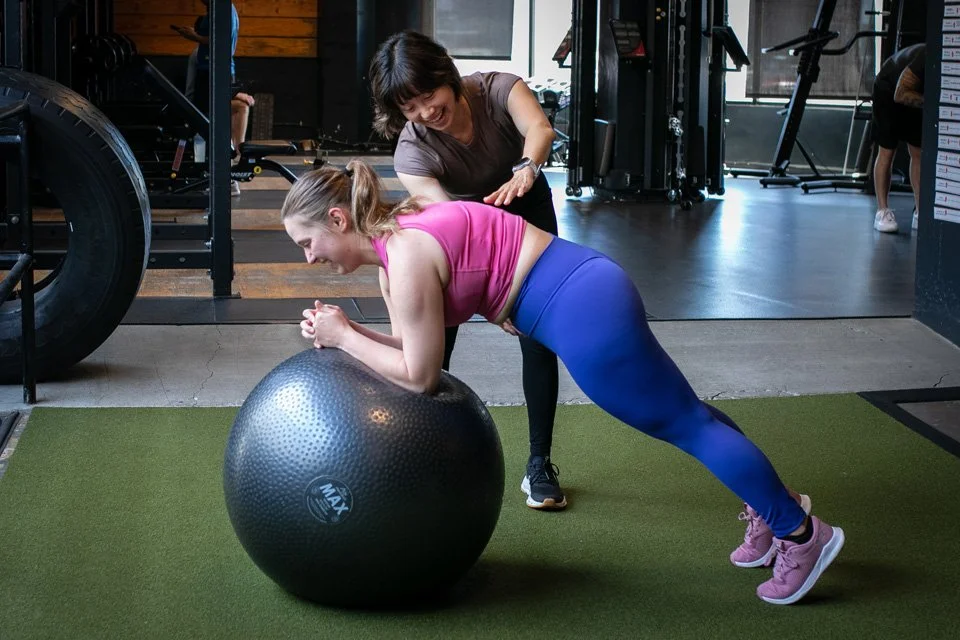
San Francisco’s personal training market is split by neighborhood. Availability varies by modality, specialization, facility infrastructure, and local demand.
SOMA
Strong for larger, comprehensive fitness facilities offering performance training, strength coaching, body composition improvements, corrective exercise, and Physical Therapy partnerships. Attracts goal-oriented clients along the office corridor looking to maximize their health and performance in their daily lives and activities.
Mission District
Diverse independent training ecosystem with a selection of smaller, boutique fitness studios focused on strength, combat, Pilates, and limited open gym membership options. Less availability for comprehensive equipment offerings.
Mission Bay
Dense availability for sports performance and post-rehab training due to clinical adjacency (UCSF and sports medicine infrastructure). A limited number of general membership facilities offering open gym use, group fitness and personal training.
Dogpatch
High concentration of smaller boutique fitness studios and strength coaches, kettlebell systems, climbing gyms, combat conditioning, and independent trainers. Less availability for comprehensive equipment offerings.
Potrero Hill
Primarily performance- and class-driven, anchored by CrossFit, boxing, and strength-focused, smaller personal training studios that cater well to motivated, group-oriented adults, and clients looking for boutique offerings. Less availability for comprehensive equipment offerings.
Castro / Upper Market
A limited number of standard commercial gyms, plus a strong offering of Pilates reformer and small boutique group fitness and trainer studios. Less availability for athletic performance training or PT-integrated coaching.
Hayes Valley
Hayes Valley offers a strong fitness scene anchored by outdoor group fitness and small personal training and boutique Pilates studios, that cater well to general fitness clients and those looking for comprehensive health assessments. Less availability for comprehensive equipment offerings.
Noe Valley / Bernal Heights / Glen Park
Strong for small personal training studios, convenience-based personal training, and aging fitness. Fewer specialists. Commute required for advanced outcomes and complete equipment offerings.
Bayview – Hunters Point
A limited offering with a general membership facility and selective pockets of small strength, combat, and hybrid training studios. Limited equipment, corrective or clinical-adjacent offerings.

Performance Training Requires Infrastructure
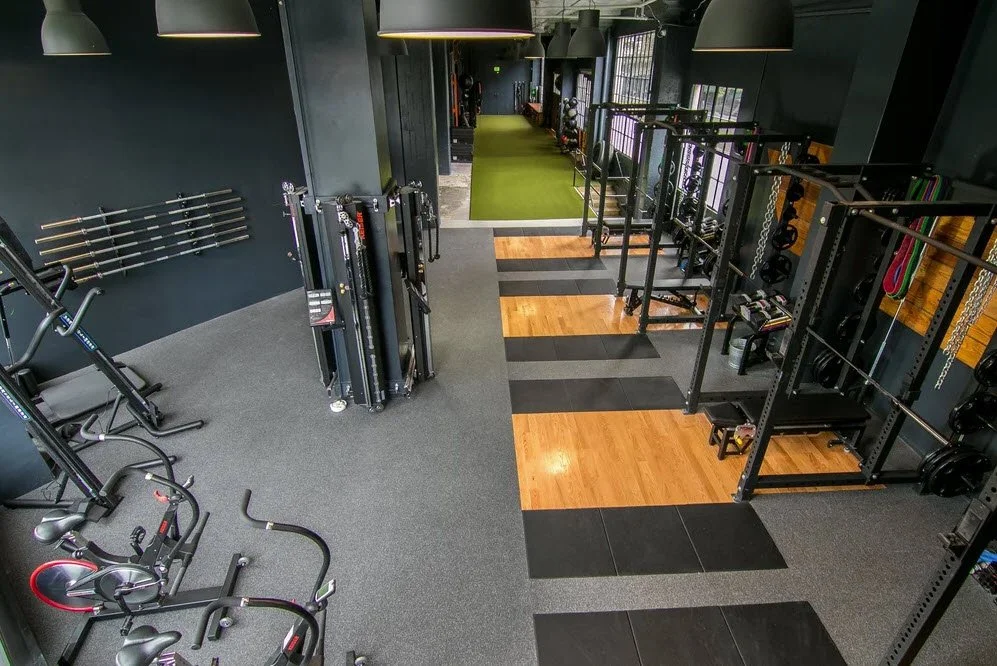
Performance training requires equipment and tools that most commercial gyms and Pilates studios do not provide, such as:
Athletic performance depends on more than just fitness. It requires:
● Olympic lifting platforms
● Power racks and barbells
● Keiser pneumatic power systems
● Sled turf
● Chain loading systems
● Climbing ropes + gymnastics equipment
● Bodywork space
● PT collaboration and testing infrastructure
Without this environment, serious strength, performance, mobility, or post-rehab progression is difficult.
Facilities like DIAKADI, located in the SOMA / Mission Corridor, support independent strength coaches, corrective specialists, physical therapists, Pilates practitioners, and bodywork professionals in a single shared training environment. This allows clients to progress from assessment → corrective → strength → performance without hopping between disconnected providers.
Pricing for Personal Training in San Francisco
Personal training prices in San Francisco are higher than national averages due to facility infrastructure, education levels, and medical adjacency *
● General personal training: $95–$150/session
● Strength coaching: $120–$200/session
● Corrective exercise: $140–$240/session
● Sports performance coaching: $150–$260/session
● PT-integrated training: $180–$300/session
Most buyers who require injury-safe or performance-level training benefit from specialist matching rather than price shopping.
When to Choose a Performance Facility
A performance training facility makes sense if you:
● Have pain or injury history
● Are returning from physical therapy
● Need to build strength without harming joints
● Need personalized programming and tracking
● Have specific performance goals for daily life and/or athletic events
● Want assessment-based training
● Need integrated services (PT, bodywork, Pilates)
● Care about long-term mobility or performance outcomes
These environments are rare in San Francisco and tend to cluster in the SOMA / Mission Corridor due to proximity to PT clinics, advanced independent coaches, and office-based buyers.
Frequently Asked Questions about sf personal training neighborhoods
-
Look for a degree in exercise science and/or one of these foundational certifications: NSCA, NASM, ACSM, or ACE. Then look for each trainer’s advanced studies and specializations. Precision Nutrition, CMT, PDTR, PRI, DNS, FRC, RTS, and EXOS are common adjuncts.
-
SOMA / Mission Corridor, Mission Bay, Dogpatch, and the Mission District.
-
Castro, Upper Market, and Hayes Valley.
-
PT-integrated coaches and advanced personal trainers with experience in corrective fitness, advanced assessments and muscle testing can. Generalist trainers may not have the clinical literacy required.
-
Approximately $95–$300 per session depending on specialization.
-
Yes. Performance facilities offer advanced assessment, programming, PT or bodywork adjacency, and comprehensive equipment offerings designed for complete strength, mobility, and athletic development.

Author: Billy Polson
Billy Polson, CSCS, is an advanced-level personal trainer with 28 years of experience and the founder and owner of DIAKADI Fitness, a San Francisco personal training facility he has led for more than 22 years. He has been recognized as one of the Top 100 Trainers in America and one of San Francisco’s Top 10 Trainers, and he has helped clients of all ages, fitness levels, and goals build safer, smarter, and more effective training programs.
As a San Francisco resident for more than 30 years and founder of the San Francisco Independent Fitness Studio Coalition, Billy has deep firsthand knowledge of the city’s neighborhoods, independent gyms, training studios, and wellness communities.