
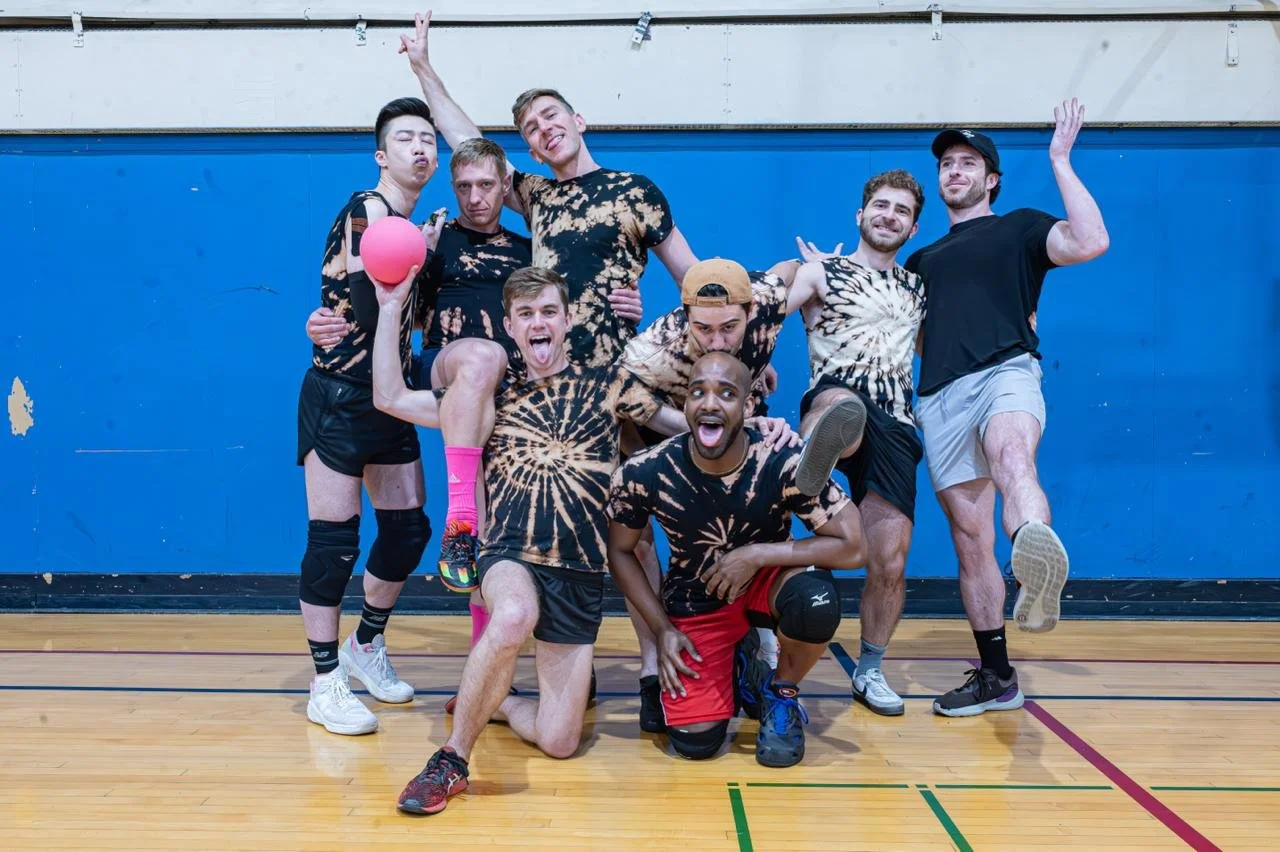
Now that you've worked on finding calm, centered, and focused energy through breathwork, it's time to put your body in motion.
When we think about improving fitness, it's easy to focus on workouts. However, what you do during the rest of your day matters, too. Taking the stairs, getting up from your desk, carrying groceries, playing with your kids or grandkids, and walking your dog all contribute to an active, healthy life.
Everyday movement and mobility are important at every age. Whether you're in your 20s, 40s, or hoping to stay active well into your 70s and beyond, moving regularly helps support strength, balance, stamina, physical comfort, and independence. That's why our next pillar of Living Your Healthiest SF Life is about building more movement into the life you're already living. Fortunately, SF gives us plenty of opportunities to do exactly that.
Published: October 28, 2026 / Last Updated: October 29, 2026
TL;DR:
● Everyday movement matters at every age, whether you're building healthy habits in your 20s or maintaining physical independence later in life.
● The CDC recommends that most adults aim for at least 150 minutes of moderate-intensity aerobic activity per week, plus muscle-strengthening activities at least two days per week.
● Mobility includes strength, balance, coordination, stamina, and range of motion—not just flexibility.
● Even if you exercise regularly, reducing long periods of sitting and adding movement throughout the day can benefit your health.
● Small, consistent habits such as walking, taking the stairs, stretching, dancing, and exploring SF can make movement a natural part of your lifestyle.

What's the Difference Between Everyday Movement and Mobility?
Although they're closely connected, movement and mobility aren't the same thing.
Everyday movement is the physical activity you accumulate throughout your normal day. Walking the dog, commuting on foot, gardening, dancing, climbing stairs, cleaning the house, and taking a five-minute walking break all count.
Mobility is your body's ability to perform those movements purposefully. Harvard Health describes mobility as a combination of physical stamina, strength, balance, coordination, and range of motion; the abilities that allow you to walk down the block, climb stairs, get in and out of a car, or carry your groceries.
Mobility is also different from flexibility. Flexibility - the ability to move your joints through their range of motion - is one component of mobility, alongside strength, balance, coordination, and stamina.
Think of it this way: Movement is what you do. Mobility helps determine how well you can continue doing it.
Why Are Everyday Movement and Mobility Important at Every Age?
Everyday movement and mobility help you maintain the strength, energy, and confidence to keep doing what you love. Harvard Health has described physical activity as perhaps the closest thing we currently have to a "longevity drug." Rather than focusing only on living longer, movement helps support your healthspan - the years of your life spent healthy, active, and capable. Structured exercise and the activity you accumulate between workouts both support an active life; your priorities may evolve as you age.
● In your 20s and 30s: Build your foundation. Develop strength, mobility, and movement habits you can carry forward. Living in SF gives you plenty of opportunities to make that happen naturally. Walk to dinner, Lyft bikeshare to work, hike around the Presidio, or meet friends for something active.
● In your 40s and 50s: Keep challenging your capabilities. Combine strength training with mobility exercises and activities you enjoy, such as hiking, cycling, or recreational sports. Practice the strength, balance, and stamina you want for work, travel, and everyday life.
● In your 60s, 70s, and beyond: Support independence and confidence. Continue building strength, balance, coordination, and mobility, adapting activities and intensity to your abilities. Keep practicing movements that help you navigate your surroundings and participate in the things you enjoy.
Whatever your age, consider these everyday measures of fitness:
● Can I comfortably climb stairs or walk up one of SF’s hills?
● Can I carry groceries, luggage, or my kids without discomfort?
● Can I get down onto the floor and back up comfortably?
● Can I hike, dance, travel, play sports, or explore the city without worrying about whether my body can keep up?
Those are fitness goals, too. Choose movement that challenges you appropriately today and supports the life you want to keep living.

How Much Daily Movement Do Adults Need?
The CDC’s physical activity guidelines for adults recommend at least 150 minutes of moderate-intensity aerobic activity per week - or 75 minutes of vigorous activity - plus muscle-strengthening activities at least two days per week. The guidelines also emphasize an important habit for midlife: move more and sit less throughout the day.
For adults 65 and older, the CDC’s recommendations for older adults continue to call for at least 150 minutes of moderate-intensity aerobic activity per week, along with muscle-strengthening activities at least two days per week. At this stage, the CDC also specifically recommends incorporating activities that improve balance, helping support physical function and independence as we age.
Don't let 150 minutes intimidate you. That’s just a little more than 20 minutes a day. Some movement is better than none, and small amounts throughout your day count. A five-minute brisk walk, taking the stairs, walking to lunch, dancing around your kitchen, or getting up from your desk every hour can all contribute to a more active lifestyle.
The biggest opportunity may simply be moving from sedentary to active.
The DIAKADI Perspective: Train for the Life You Want to Keep Living
At DIAKADI, fitness isn't just about performing exercises inside a gym. Your training should help you move confidently through your life outside of it. DIAKADI's Advanced Fitness Assessment evaluates mobility and movement patterns, core function, postural alignment, strength and muscular imbalances, joint integrity, injury history, and lifestyle factors. This information gives your trainer a clearer picture of not only how you exercise - but how your body moves.

Owner Billy Polson’s Perspective:
Training to Stay Athletic as We Age
I’m 56 and have been an athlete my entire life; I’m also an aging athlete learning how to keep doing what I love while caring for a body that’s been through a lot. With both knees replaced and major shoulder surgeries behind me, adapting my training is personal. My goal for myself and my clients is to maintain the strength, mobility, speed, and movement options that keep us active, while respecting what our bodies need today.
I’ve been studying strength and conditioning coach Mike Boyle’s approach to training both elite athletes and everyday adults. One principle resonates with me: keep training your athletic capabilities as you age; adapt the exercises, loads, speed, and intensity to your body.
For example, I like to prepare for strength training with:
● Tissue work: Foam rolling, massage gunning.
● Mobility: Moving through comfortable ranges of motion, such as dynamic hamstring stretches.
● Muscle activation: Hip bridges to engage the glutes.
● Dynamic movement: Stepping, reaching, rotating, changing direction quickly, balancing, accelerating, and decelerating.
That last part matters. We shouldn’t eliminate speed and dynamic movement simply because we’re in our 50s or 60s; we should scale them appropriately.
Real life isn’t always slow and controlled. You may need to hurry across a street, catch yourself when you trip, react when you lose your balance, chase a grandchild, get off the floor, or move quickly while playing your favorite sport.
My guiding principle for training for longevity is simple: don’t voluntarily give up movements just because you’re getting older. Find the version your body can safely perform today, and keep practicing it.
FAQ’s with DIAKADI Trainers
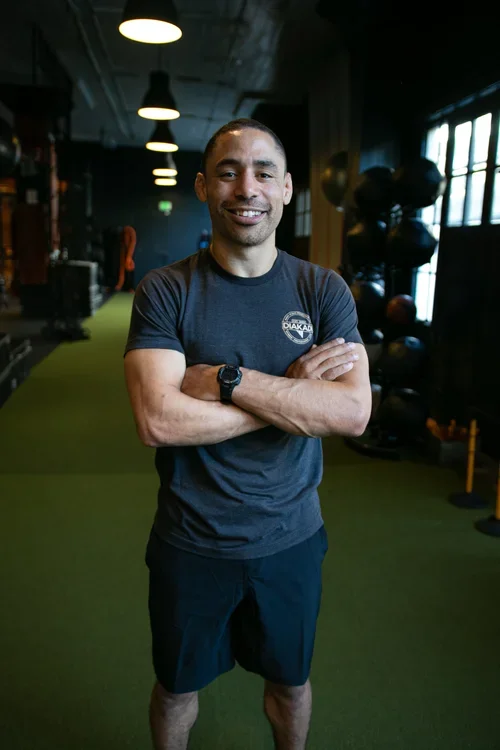
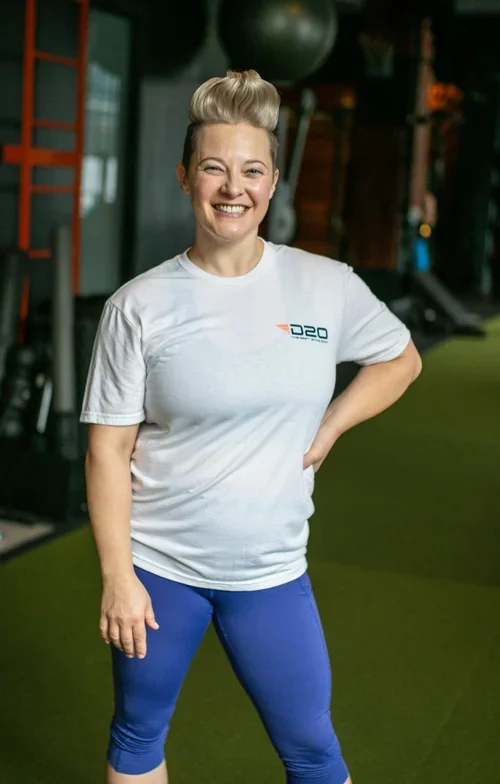
We asked two of our seasoned trainers, Josh Berkovic and Natalie Carey, for their advice and experience working on everyday mobility and movement with people of all ages.
-
Trainer Natalie’s Favorite Mobility Exercises:
90-90 Hip Switches
Sit on the floor with your knees bent and feet wider than hip-width, then slowly rotate both knees from side to side, aiming to bring them toward the floor while keeping your torso tall. Place your hands behind you for support if needed.
Reps: 8-10 switches per side.Cat-Cow
Start on your hands and knees. Slowly alternate between arching your back and lifting your chest and tailbone (Cow), then rounding your spine while tucking your chin and pelvis (Cat).
Reps: 8-12 slow cycles.Dynamic Standing Chest Stretch Against the Wall
Stand next to a wall with one arm extended behind you and your palm against the wall. Gently rotate your chest away from the wall until you feel a stretch across your chest and shoulder, then rotate back toward the wall and repeat.
Reps: 8-10 controlled reps per side.Dynamic Seated Figure 4
Sit tall near the edge of a chair and cross one ankle over the opposite thigh. Keeping your back long, gently hinge forward at the hips until you feel a stretch through your glute and outer hip, then return upright and repeat.
Reps: 8-10 slow reps per side.Dynamic Standing Hamstring Stretch — Foot Elevated
Standing, bring one leg forward, place one heel on a low, stable surface with your leg comfortably straight and toes pointing up. Keeping your spine long, hinge forward from your hips until you feel a gentle hamstring stretch, then return to standing and repeat.
Reps: 8-10 controlled reps per side.
Tip: Keep all of these movements slow and comfortable - move into a gentle stretch rather than forcing your end range. For a quick desk-day mobility break, completing 1-2 rounds of all five exercises should take about 5-8 minutes.
If you’re looking for an easy, follow-along routine you can even do at your desk, try out Trainer Natalie’s 10-Minute Neck and Shoulder Stretch Video
-
Trainer Josh emphasizes that movement habits should fit your body and needs. His recommendations include:
Build walking from your current baseline.
Rather than treating 10,000 steps as a magic number, gradually increase what you’re already doing. If you average 3,000–4,000 steps daily, work toward a manageable increase that fits your schedule and recovery.Explore supported hanging when appropriate for your shoulders.
Start with brief hangs with your feet supported, progressing as strength and tolerance allow. Hanging offers a way to practice grip strength and comfort in overhead positions.Spend time in a squat that works for you.
Hold onto a support, elevate your heels, or use a shallower depth. Explore positions you can comfortably control to work on hip and ankle mobility, balance, and lower-body control.Give your mobility routine variety.
Include bending, extending, rotating, and side bending, along with movements for your hips, shoulders, and ankles. A short, repeatable routine gives you regular opportunities to practice the ranges of motion you want to maintain.
-
“I work with a client in their 60’s who had trouble getting up and down from the floor during their favorite activity. Their early programs included a lot of assisted movement, like holding onto something while lunging down to the floor, and mobility drills like 90-90 Hip Switches throughout their workouts.
The next time they returned to their activity, they found it was a lot easier to get up and down! Training the thing that was really hard for them in their daily life made a huge difference. If you’re having the same issue getting up and down off the floor, try out my 5-minute seated stretching video” - Trainer Natalie
Trainer Josh uses a foundational framework for helping improve clients mobility that he refers to as, “RAISE:
R — Raise: Gradually elevate heart rate and respiration.
A — Activate: Engage the major muscle groups needed for movement.
I — Increase blood flow: Use dynamic movement to prepare muscles and joints for greater ranges of motion.
S — Stabilize: Develop control around major joints as those ranges of motion increase.
E — Engage: Integrate those qualities into increasingly functional and task-specific movements.
After performing 15–20 minutes of dynamic mobility sessions regularly for several years, the improvements have been dramatic for clients - not only in mobility, but also in balance, coordination, strength through greater ranges of motion, and, perhaps most importantly, their understanding of how to manage their own body.
There is rarely a quick fix for mobility; but consistent practice can produce profound changes over time, and there is no better time to begin developing that practice than now.”
-
Try building movement into habits you're already doing:
● Take a 5–10 minute walk after a meal.
● Stand and move between meetings or once every hour.
● Walk for shorter errands instead of driving.
● Take the stairs when appropriate.
● Meet a friend for a walk instead of sitting for coffee. Active meetings with your team at work.
● Put on music and dance at home.
● Explore a new SF neighborhood on foot.
For anyone returning to activity after a long break, start gradually and choose activities appropriate for your abilities. If pain, a chronic condition, or significant mobility limitation is affecting your movement, talk with an appropriate healthcare professional about where to begin.
The Best San Francisco Resources for Everyday Movement & Mobility
One of the best things about living in the Bay Area is that everyday movement can double as exploration.
Walk Your Way Across SF
San Francisco’s parks, trails, waterfronts, hills, and open spaces make it easy to turn a walk into an adventure. A few of our favorite options include:
● Flatter, easier everyday walks:
● More hills and uneven terrain:
○ Mount Sutro.
● San Francisco Crosstown Trails — Explore this trail network connecting the city's corners through public parks, neighborhood shopping corridors, community gardens, hidden trails, and SF’s famous tiled stairways. You can tackle an individual section rather than completing the entire route at once.
● Dog owners — Give yourself and your pup an incredible treat by visiting Fort Funston beach and sand dunes. This is truly a dog lover's heaven and a fun way for both you and your pup to get moving while enjoying some time outdoors.
The goal isn't to conquer the hardest hike. Choose a route that matches your current abilities and gives you a reason to keep moving.
Dance Your Way to More Movement

Walking isn't your thing? Try dancing.
Dance combines movement with coordination, balance, and social connection - and the city offers options specifically for older adults. San Francisco Recreation and Parks' 2026 programming has included free classes for adults 55+ (ie. line dancing, ballroom dance, jazz, hip-hop, Zumba/cardio fitness).
DIAKADI Trainer, Dave Robinson, has been Salsa Dancing for 20 years and now teaches private lessons. If Salsa is something you’re looking to try, here are some local classes recommended by Dave:
● SalsaCrazy Mondays: Held at Neck of the Woods, an independent music venue in San Francisco on Clement St.. They offer group salsa classes on Monday nights at 6:30 PM, followed by social dancing. Suitable for all levels and great for beginners to learn in an uplifting and fun community!
● Dance Fridays: Dance Fridays is a Salsa and Latin night club in SF. They offer salsa and bachata (another type of Latin dance) lessons every Friday night at 8 PM, followed by social dancing. Dance Fridays have large live bands and multiple rooms of dancing with more of a nightlife feel.
Don’t Forget Your Feet
Every walk starts from the ground up. Healthy feet and ankles are essential for maintaining mobility, staying active, and moving confidently as you age. If foot or ankle pain, gait changes, or footwear issues are making movement uncomfortable, working with a podiatrist can help identify what’s limiting you.
For San Franciscans, we recommend Dr. Jenny Sanders and Dr. Samantha “Sam” Quesada, at The Financial District Foot & Ankle Center (FDFAC). Both DIAKADI owners Billy and Mike have worked with FDFAC for years. Their practice includes cutting edge technology and advanced level services that can help keep your feet ready for San Francisco’s hills, trails, and everyday walking.

Your 7-Day Movement Challenge
You don't need to become an athlete to become more active. You simply need to create more opportunities to move.
For the next seven days, add at least one intentional movement break to the routine you already have.
Take a 10-minute walk after lunch. Get off Muni one stop earlier. Walk to pick up your coffee. Dance to three songs. Explore a new neighborhood. Or set an hourly reminder to stand up, stretch, and move.
If you're already active, add a different challenge: choose one everyday movement you want to still be doing comfortably years from now. Write it down.
That's what you're training for.
What's Next: Sleep Optimization
Increasing your daily movement and maintaining mobility can help build a more active, capable body - but movement is only half of the equation. Your body also needs opportunities to rest and recover.
That's where sleep comes in. Next in Living Your Healthiest SF Life, we'll explore Sleep Optimization: how sleep habits, circadian rhythms, your environment, exercise, and daily routines can influence recovery, energy, and long-term health.
Living your healthiest life isn't only about what you do while you're moving. It's also about how well you recover so you can get up and do it again tomorrow.

Author: Billy Polson
Billy Polson, CSCS, is an advanced-level personal trainer with 28 years of experience and the founder and owner of DIAKADI Fitness, a San Francisco personal training facility he has led for more than 22 years. He has been recognized as one of the Top 100 Trainers in America and one of San Francisco’s Top 10 Trainers, and he has helped clients of all ages, fitness levels, and goals build safer, smarter, and more effective training programs.
As a San Francisco resident for more than 30 years and founder of the San Francisco Independent Fitness Studio Coalition, Billy has deep firsthand knowledge of the city’s neighborhoods, independent gyms, training studios, and wellness communities.